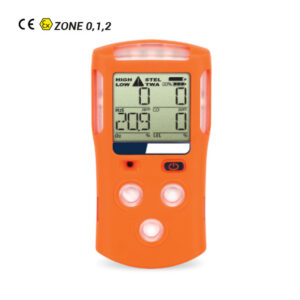
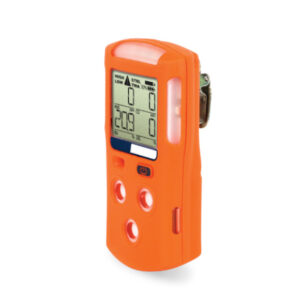
ATEX gas detectors monitor the presence of hazardous gases and oxygen levels in industrial environments where explosive atmospheres may occur. At Inpratex, we offer ATEX-certified portable detectors for personal monitoring and atmosphere testing in hazardous areas, with different detection options to suit the risks present in each application.
Our range includes ATEX single-gas detectors for hydrogen sulphide (H₂S), carbon monoxide (CO) or oxygen (O₂), as well as multi-gas detectors capable of monitoring these parameters and combustible gas concentrations simultaneously. Four-gas detectors combine toxic gas detection, oxygen monitoring and combustible gas measurement as a percentage of the lower explosive limit (%LEL) in a single unit.
These devices feature straightforward operation, easy-to-read displays and configurable alarms to warn users when readings reach the set thresholds. Their compact, lightweight design makes them easy to use throughout the working day. Depending on the model, they feature rechargeable batteries or extended battery life without the need for recharging, allowing the solution to be matched to the frequency of use and operational requirements of each facility.
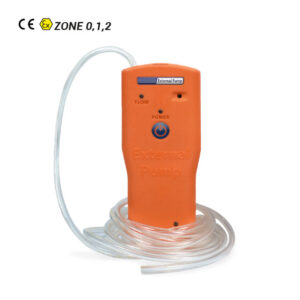
Portable gas detectors can be used for personal monitoring and, with compatible sampling accessories, for remote atmosphere testing in tanks and other confined spaces. An external pump and a sampling line allow air samples to be taken from outside the space, as part of atmospheric assessment procedures before entry.
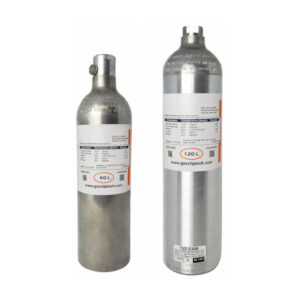
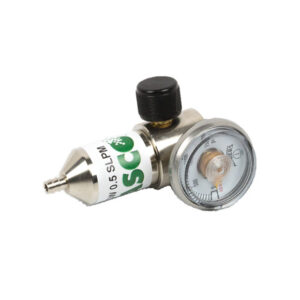
Detector selection must take into account the gases to be measured, the sensors fitted and the operating conditions. To maintain measurement reliability, it is important to carry out bump tests and calibrations as required by the manufacturer’s instructions and the site’s safety procedures. Compatible test gases, regulators and testing stations facilitate these tasks.
At Inpratex, we help you select the most suitable ATEX gas detector according to the hazardous area classification, gases to be detected, measurement ranges, required battery life, alarm functions, remote sampling requirements and the specific conditions of each project.