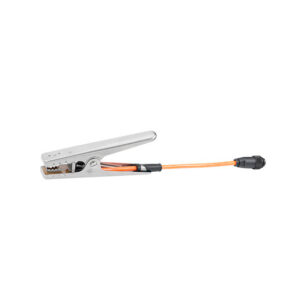
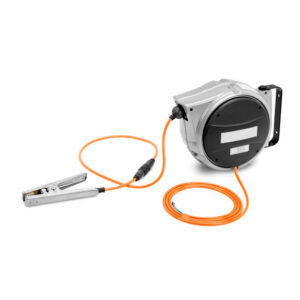
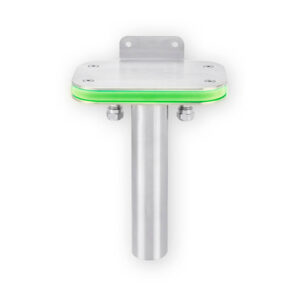
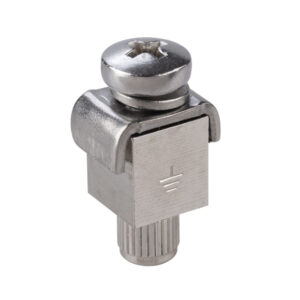
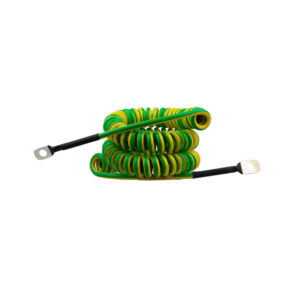
ATEX earthing equipment is essential for controlling electrostatic charges and reducing the risk of ignition in industrial installations located in explosive atmospheres. At Inpratex, we offer a range of certified solutions for hazardous areas, designed to ensure the safe earthing of metallic, conductive or dissipative objects during process, loading, unloading, transfer or handling operations involving flammable substances. Our range of ATEX grounding devices includes ATEX earthing clamps, cable reels, earthing control and monitoring systems, terminals and specific cables for applications in areas with risk of explosion. These products provide a reliable connection between containers, tankers, drums, vessels, machinery or conductive structures and the earthing system of the installation.
The accumulation of static electricity can represent a significant risk in processes involving flammable liquids, gases, vapours, combustible dusts or powder materials. For this reason, having a suitable earthing system is essential to improve operational safety, prevent uncontrolled electrostatic discharges and protect both personnel and equipment within the installation.
ATEX earthing solutions can be used in hazardous liquid transfer operations, loading and unloading of road tankers, drum handling, mixing processes, filling, emptying, dosing or transfer of flammable products. Depending on the application, systems with continuity verification, status indication or interlocking can be incorporated, making it possible to confirm that the earthing connection has been correctly established before starting the process.
These devices are suitable for chemical and petrochemical plants, refineries, pharmaceutical facilities, the food industry, storage areas for flammable products, process areas, offshore platforms, the marine industry and other installations where static electricity must be controlled in hazardous areas.
At Inpratex, we help you select the most suitable ATEX earthing solution according to the installation zone, type of explosive atmosphere, process to be protected, object to be connected, monitoring requirements, type of cable or clamp and the specific conditions of each project.